How to Host a Fantasy Murder Mystery Party (Step-by-Step Guide)
A practical guide to hosting a fantasy murder mystery dinner party — what you need, how to pick a kit, the run-of-show, and how to set the atmosphere. Built for 6–8 adult players over one evening.
A good murder mystery party is the closest thing your friend group will get to a one-night TV miniseries. Everyone has a role, everyone has a secret, and by the end of the evening someone is unmasked as the killer. The fantasy version of this — halflings instead of debutantes, taverns instead of manor houses — is a small but very fun subgenre, especially for groups that already love D&D-flavored nights but don't want to spend three hours on rules.
This guide walks through how to host one from scratch: what you need, how to pick a kit, the run-of-show, atmosphere, and the host mistakes that flatten the evening. It assumes you've never hosted one before and that your group is 6 to 8 adults who want a roleplay-light dinner night.
Quick preview: pick a printable kit if you want price + flexibility, send out character booklets a week ahead, lean hard on lighting and food for atmosphere, and treat the run-of-show as a loose timeline rather than a script. If you want the fantasy version specifically, our Murder at the Thorne & Tankard kit is what we built for exactly this kind of evening — more on it below.
What You Need to Host a Murder Mystery Party
A murder mystery party is one of those events that's either really easy or really stressful, depending on what you set up ahead of time. The good news: the list of what you actually need is short.
The kit
This is the script of the evening — the host guide, the character booklets, the clues, and the reveal. A printable kit ships as PDFs you print at home; a physical box arrives in the mail. Either works. You'll want one before you commit to a date, since the kit determines the player count, the setting, and the pacing.
6–8 invitees who will commit
Most printable murder mystery kits are built around 6 to 8 players plus a host. Below 6, the suspect lineup thins and the mystery loses density. Above 8, table conversations start splintering and clue distribution gets sloppy. Confirm guests a week ahead — this is not the kind of party where someone can drop in last-minute, because every character is doing structural work in the story.
Food and drink
A murder mystery is a dinner party with a script. You don't need anything elaborate, but the food should fit the theme — rustic bread, cheese, roast vegetables, and a cider or red wine for a fantasy-tavern setting. People stay in character better when the meal looks like it belongs to the world.
Costumes (light touch)
Full costumes are great if your group is into it, but they are not required. A scarf, a hat, an apron, or a single color guide is enough to flip the room. Tell guests their character's vibe in advance (“your character is a stern dwarf priest”) and let them decide how far to take it.
Atmosphere props
Candles, low lighting, a playlist, and any printable handouts that came in the kit. Atmosphere does more work than people expect — it cues guests that they've crossed into the story.
The host's pre-read
Most printable kits ship with a host guide. Read it twice before the day. The first read tells you what happens; the second tells you what to do when something doesn't happen.
How to Pick a Murder Mystery Kit
Kits come in three main shapes. Picking the right one is more about how you want to host than about price.
Printable kits ($15–30)
Digital downloads — PDFs you print at home or send to a copy shop. Advantages: fast (instant delivery), affordable, and easy to reprint if a character booklet gets wine-stained. Quality varies a lot — the good ones include host guides, character booklets, prop handouts, and clue cards in a single zip. The cheap ones give you a script and not much else. Look for kits that publish their full file list before you buy.
Physical boxed kits ($40–80)
These ship in branded packaging with pre-printed materials. Advantages: nothing to print, props feel polished, gift-wrappable. Disadvantages: longer lead time, more expensive, and if you tear a sheet you're out of luck. Best when you want it to feel like a purchased experience or you're gifting the kit.
App-driven kits
A newer category — some companies run the mystery through a mobile app that paces clue release. These work for groups who like screens at the table; they don't work as well for groups who want phones off and atmosphere on. Personal preference call.
Fantasy vs. Edwardian vs. 1920s vs. modern
Most kits on the market run Edwardian manor house, Victorian, 1920s gangster, or contemporary settings. Fantasy is a smaller corner of the genre. If your group already plays D&D, a fantasy kit lands more naturally — halflings, druids, tavern feasts — without needing a rulebook. If your group has zero TTRPG context, the more familiar settings have a lower barrier to entry. Both work.
New Release
Murder at the Thorne & Tankard
Our printable fantasy murder mystery kit for 6–8 players. The kind halfling innkeeper has been murdered at his own Harvest's End feast — suspect roles, room searches, and a killer to unmask before dawn. D&D-flavored, no rulebook needed. Roughly 2½ hours, $24.

The Run-of-Show: A 2½-Hour Timeline
Almost every printable murder mystery kit follows the same shape. Knowing the shape ahead of time makes the evening feel less improvised, even if your group has never done this before.
Arrival and character introductions (~30 minutes)
Guests arrive, get a drink, and find their character booklets at their seats. The host welcomes everyone in character (briefly) and asks players to introduce themselves as their character — name, profession, one thing they're looking forward to about the evening. This is the lowest-stakes moment in the night and it primes everyone to stay in role.
The murder (~5 minutes)
Most kits have a scripted moment where the host announces the death — either as a discovery (“someone's found a body in the cellar”) or as an in-the-moment event. This is the pivot. The dinner becomes an investigation.
Investigation round 1 (~45 minutes)
Players read their private secrets, mingle, ask each other questions, and start cross-referencing alibis. The host may release a first wave of clues mid-round — a torn note, a witness statement, a missing item. Encourage guests to physically move around the table or room: standing conversations beat seated ones for this kind of game.
Course / meal break (optional, ~30 minutes)
If you're serving a real dinner, this is where it happens. Players stay in character but pause active investigation. Side-eyes across the table are encouraged.
Investigation round 2 (~45 minutes)
Second wave of clues drops. By the end of this round, most groups will have narrowed it to 2 or 3 suspects. The host can release one final clue to break a deadlock if needed.
Accusations and reveal (~30 minutes)
Each guest writes down who they think did it, the host collects the guesses, and then the killer is revealed (often through a final monologue in character). Tally votes for fun. The evening usually ends with people laughing, comparing what their characters knew, and asking who else would have been the killer if the dice had landed differently.
Setting the Atmosphere
Atmosphere is the highest-leverage thing a host controls. Five small changes turn an ordinary dinner into a story.
Lighting
Kill the overheads. Use lamps, candles, or string lights only. Low warm light pulls people forward in their chairs and quiets the room. For a fantasy setting, real candles (or battery-operated ones in glass holders) sell the period without effort.
Music
A 2½-hour instrumental playlist on loop. For fantasy, look for tavern music, medieval folk, or D&D ambient channels on YouTube and Spotify. Set the volume just below conversation level — loud enough to fill silences, quiet enough that people don't raise their voices.
Food
A fantasy-tavern dinner doesn't have to be elaborate: rustic bread, hard cheese, roasted root vegetables, a roast or stew, and a fruit-based dessert. Serve apple cider, mead, or red wine. The point is that the food matches the world — no Tex-Mex in the tavern.
The table
A dark tablecloth, wooden boards instead of plates if you have them, pewter or stoneware cups, and any printable place cards or character props from the kit laid out before guests arrive. People's eyes hit the table before they hit the food.
The room
Push extra furniture to the walls so guests can stand and mingle for investigation rounds. If you can light a fireplace, do it. If you can't, a candle cluster on the mantel reads as one in low light.
Host Mistakes to Avoid
Five things that consistently flatten the evening, even when the kit is good and the food is great.
- Not sending character details ahead of time. Players who walk in cold feel ambushed by their own booklet. A week of pre-read is the difference between “I'm playing this character” and “I'm reading my character.”
- Casting against your guests. The quiet friend doesn't want the showy 12-secret role. The friend who already does voices wants exactly that. Match characters to people, even if it means swapping who has which booklet right up until the morning of.
- Treating the run-of-show as a strict script. The timeline is a target, not a deadline. If round 1 is humming, let it run. If guests are stalled, drop a clue early. The host adjusts; the kit doesn't.
- Forgetting you're a guest too. If you're running yourself ragged refilling drinks, you're not telling the story. Set out drinks and snacks self-serve. Stage food so it doesn't need you. Your job is the narrative, not the catering.
- Skipping the reveal monologue. Most kits include a final reveal scene for the killer or the host to deliver in character. Read it. Out loud. With feeling. It's the curtain call.
What Makes a Good Fantasy Murder Mystery
Fantasy is the smallest corner of the murder mystery genre, which is a quiet advantage — there's less templated content, so the best kits feel handmade rather than mass-produced. A good fantasy murder mystery does three things the generic kits don't.
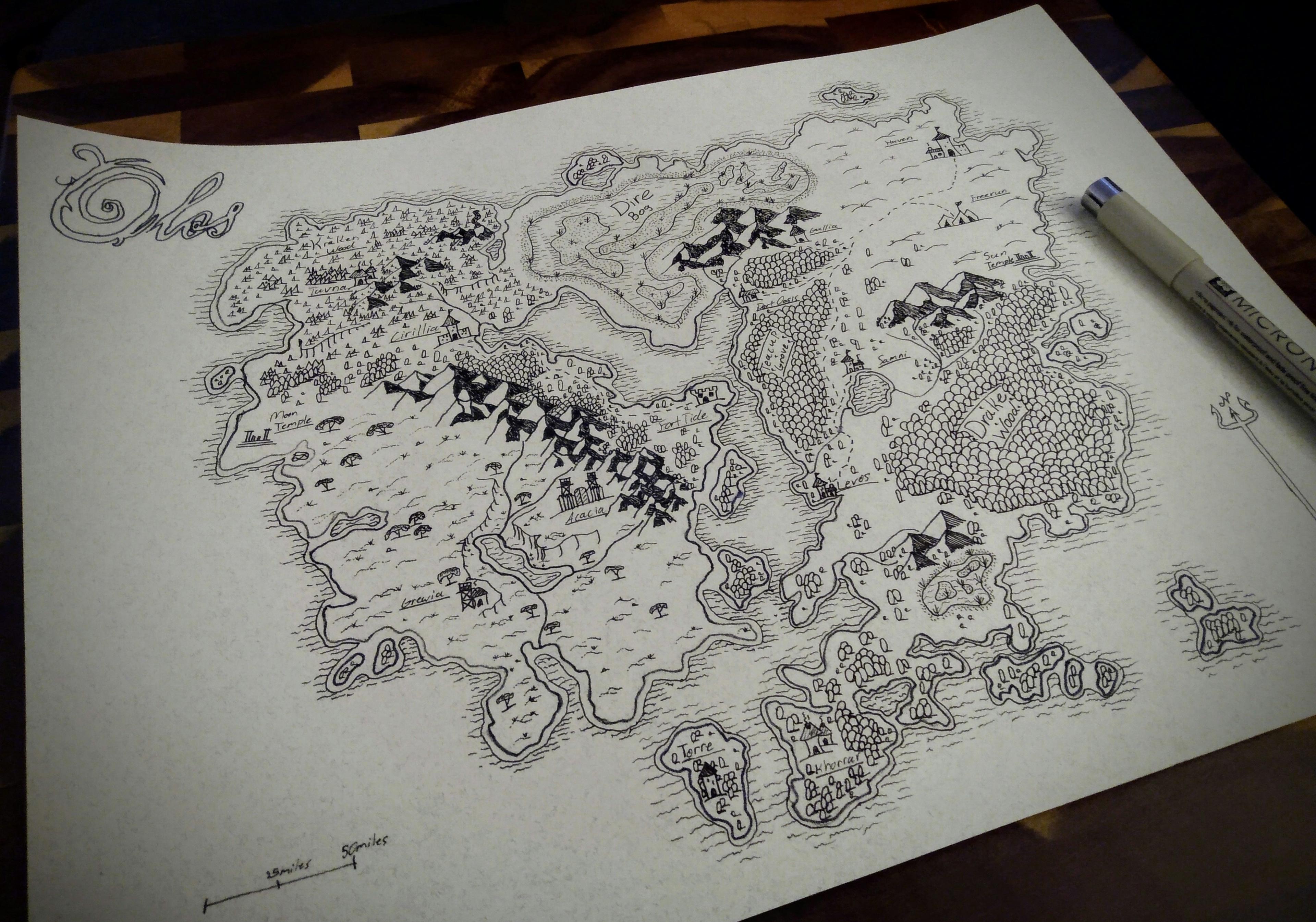
First, the setting carries emotional weight. A tavern feast at harvest's end is a warmer frame than an Edwardian manor — players show up to a celebration, not a corporate retreat. The grief of the death lands differently when the dead person was the host.
Second, the character archetypes do roleplay work for free. A halfling cook, a dwarf priest, a druid herbalist, a human noble — these aren't blank slates. Guests who've never roleplayed before can lean on the archetype until they're comfortable adding their own voice.
Third, the visual identity. Parchment, dark wood, candles, illuminated initials. A good fantasy kit looks like an artifact, not a Microsoft Word template. That visual frame is what guests photograph and remember.
If you want the fantasy version
Murder at the Thorne & Tankard
A printable fantasy murder mystery kit for 6–8 players, set at a halfling innkeeper's Harvest's End feast. Ships as 15 print-ready PDFs (host guide, 8 character booklets, 6 props) in a single zip with a README. No D&D rules required — anyone who can host a dinner party can run it. Roughly 2½ hours, $24.
FAQ: Hosting a Fantasy Murder Mystery Party
How many people do you need to host a murder mystery party?
6 to 8 players plus a host is the sweet spot for most printable kits. Below 6, you lose suspects and the mystery thins. Above 8, side conversations start swallowing clue distribution. If your guest list is flexible, aim for 7.
How long does a murder mystery party take?
About 2 to 2½ hours from arrival to reveal, plus another 30–45 minutes if you're serving a full dinner. The timeline runs roughly 30 minutes for arrivals, 90 minutes for two investigation rounds, and 30 minutes for accusations and the reveal.
Do guests need to know each other ahead of time?
No, and many groups prefer when they don't. The characters carry the social dynamics, so strangers can fall into roles without the awkwardness of meeting as themselves. Just make sure the host knows each guest well enough to cast them appropriately.
Do I need to send character details before the party?
Yes, ideally 5–7 days in advance. Each guest should know who their character is, what their character knows publicly, and a loose costume direction. A week of pre-read makes the difference between “playing” and “reading” the role.
What's the difference between a printable kit and a physical murder mystery box?
Printable kits ($15–30) ship as digital downloads — instant delivery, cheaper, easy to reprint. Physical boxes ($40–80) ship in branded packaging with pre-printed props and feel more like a “purchased experience.” Both run the same kind of evening; the difference is presentation and setup time.
Related Reading
- D&D gift ideas for players and DMs — including murder mystery kits as a host-friendly gift option.
- D&D accessories — the broader category of tabletop game-night goods.
- Murder at the Thorne & Tankard — our fantasy murder mystery kit product page.
Have a question we didn't answer? Email us — we read every message and we're actively refining this guide as more hosts run nights with our kit.